
What Can You Put in a Skip Bin?
Most household, garden and renovation waste goes straight in — but a short list of items needs special disposal. Sort it before you load.
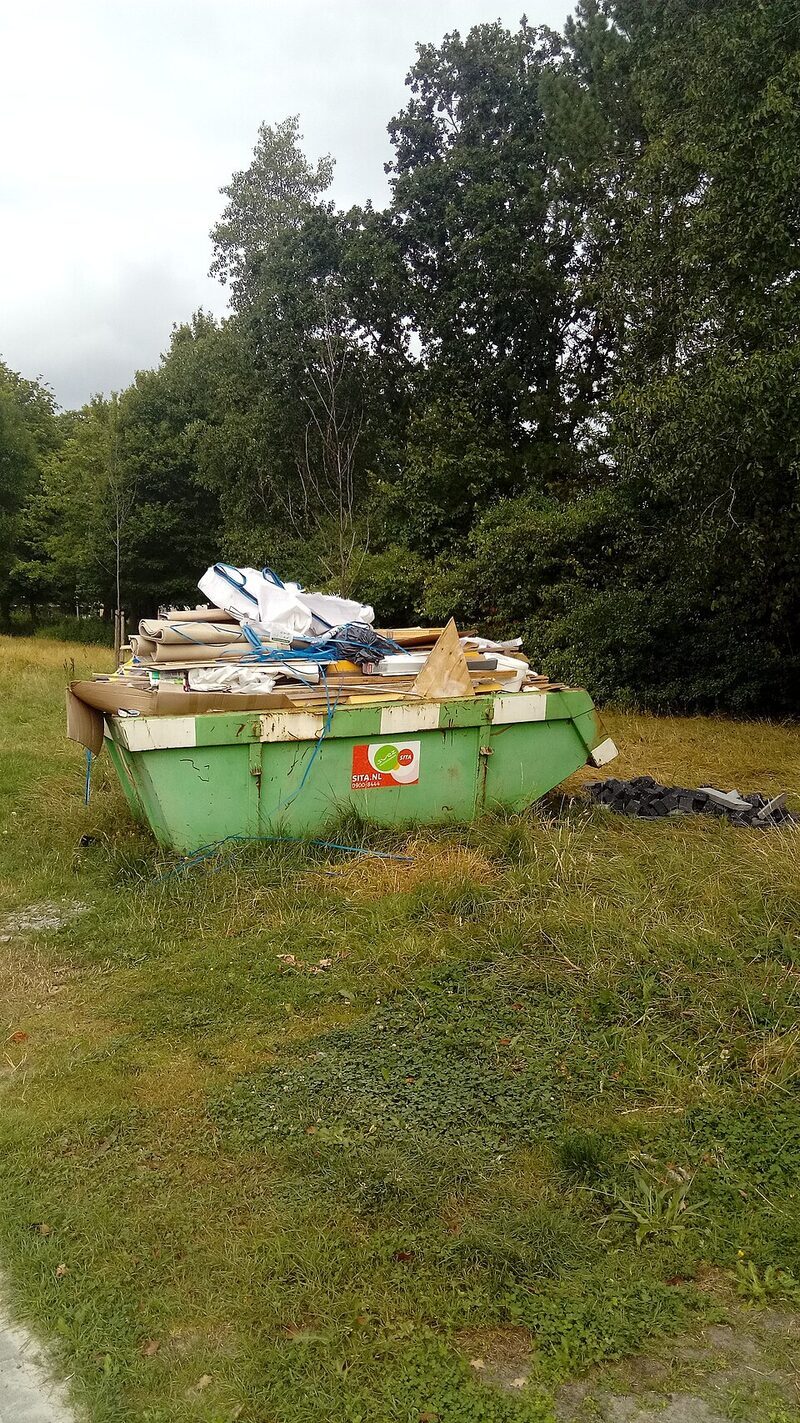
The bin arrives, the clean-out begins — and then someone holds up a paint tin and asks, "does this go in?" Knowing what belongs in a skip bin before delivery day saves the awkward re-sort at pickup time. Here's the practical breakdown for Christchurch households and building sites hiring from our 2m³ to 7m³ range.
The easy yes pile
General household waste is the bread and butter of skip hire: furniture, mattresses, clothing, toys, books, boxes and packaging. If you're doing a room clear-out or an end-of-tenancy tidy, nearly all of it goes in. Our rubbish removal service covers the same territory if you'd rather we loaded it.
Garden waste follows: lawn clippings, leaves, small branches, weeds and hedge trimmings. A 2m³ mini skip swallows a serious section tidy, and the rear door means wheelbarrow loads tip straight in.
Building and renovation waste — timber, gib board, flooring, tiles, cabinetry, plumbing fixtures, bricks in sensible quantities — all goes in. Kitchen and bathroom strip-outs are the classic 6m³ mid skip load. Concrete, soil and rubble are fine mixed through a load; a bin full of nothing but soil or concrete is a different conversation, so mention it when you book.
Ask us first
A short list of items needs special disposal and shouldn't go in a general skip without checking: hazardous materials, asbestos, paint and solvents, chemicals and oils, batteries, tyres and gas bottles. This isn't us being difficult — transfer stations reject or surcharge these, and some are genuinely dangerous in a mixed load.
The fix is a phone call, not a research project. Ring 027 446 1253, list the awkward items, and we'll tell you what goes in, what goes elsewhere, and where the elsewhere is. Fridges, TVs and anything with a battery inside get the same treatment — ask, and we'll advise or collect them through our single-item pickup instead.
Load it like you mean it
- Open the rear door first. Every bin we deliver has one. Walk long, heavy items in and stack from the front — you'll fit meaningfully more than throwing over the sides.
- Heavy low, light high. Soil, rubble and dense offcuts on the bottom, spread flat. Furniture and boxes on top. A balanced load travels safely to the transfer station.
- Break it down. Flat-pack the flat-pack, snap long timber, squash boxes. Air is the enemy of bin volume — five minutes with a saw or a boot saves real space.
- Keep it level. Fill to the rim, not above it. Heaped loads can't be transported safely, and the driver will ask you to level it before collection.
Size the bin to the pile
Loading well only helps if the bin fits the job. A garden tidy lives happily in a mini; a full renovation wants the mid or the 7m³ maxi. If you're between sizes, our guide to choosing a skip size walks through each one — or skip the guesswork and call us.
The pre-load checklist
Before the truck arrives from Hornby: confirm the drop spot (standard driveways are fine; narrow ones suit our smaller trucks), pull out anything from the ask-us-first list, and have a rough loading order in mind — heavy stuff ready to go in first. Then open the rear door and get stuck in. When the bin is level-full, one call brings the truck back. Monday to Friday, 7:30am to 7:30pm, across Christchurch and Canterbury on 027 446 1253.